Skip to content
The Bee Conservatory

Our Programs

Hands-on conservation through education, habitat restoration, bee rescue, and community hive sponsorship.

What we do

An integrated approach to pollinator conservation

No single intervention saves bees. Our programs are designed to work together — education builds awareness, sponsorships fund habitat, rescue operations protect existing colonies, and restoration creates the landscapes bees need long-term. Every program reinforces the others, compounding impact across communities and ecosystems.

Wooden native bee houses mounted on a fence post in a garden

Sponsor-a-Hive

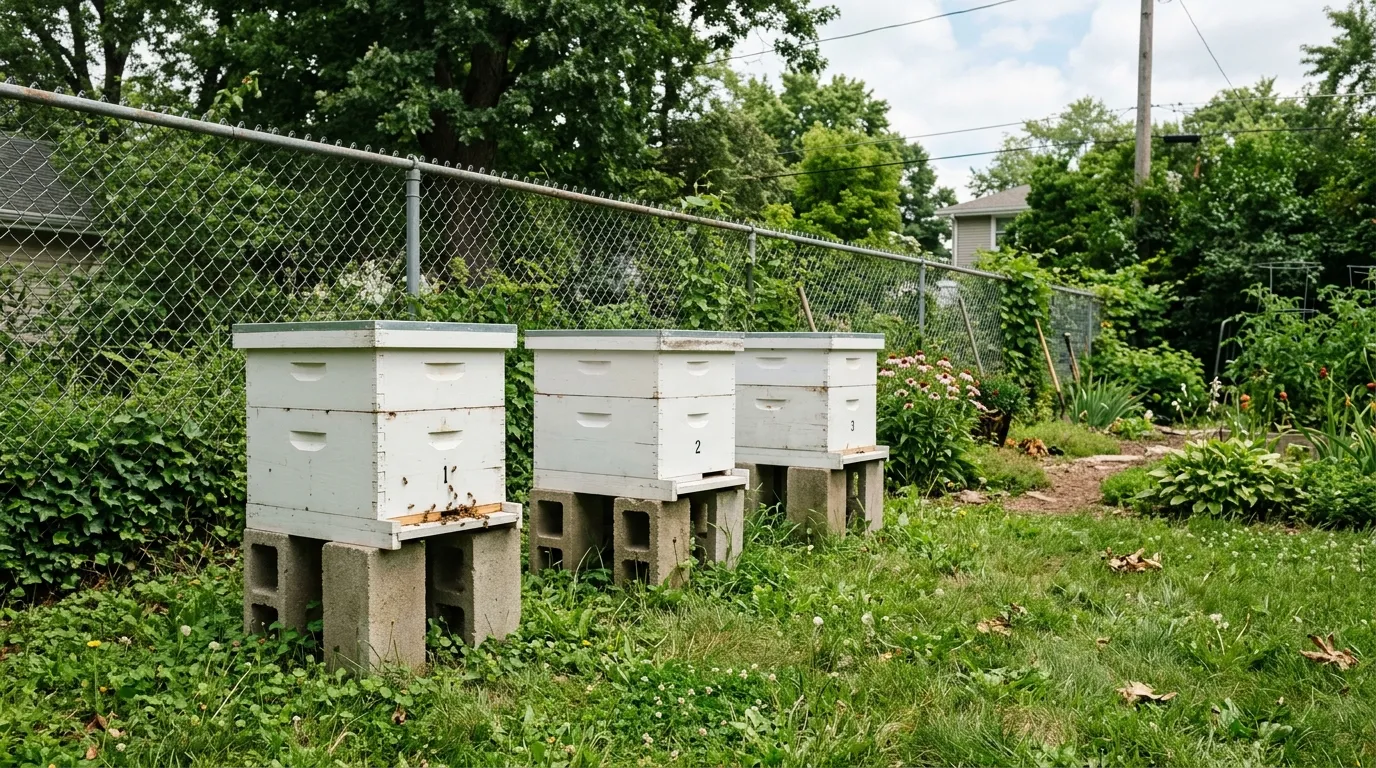
Place native bee homes and managed hives in communities across the country, nurturing local ecology and supporting food production where it matters most.

Included

  • Sustainable native bee house or managed hive
  • Educational materials and species ID guide
  • Monthly e-updates on hive activity
  • Direct impact reporting
Students gathered around an observation hive during a school workshop

Bee Education

School programs, teacher workshops, and community classes that bring pollinators to life — from observation hives in classrooms to field days in wildflower meadows.

Included

  • Classroom presentations with live observation hive
  • Teacher curriculum and resource packets
  • Youth field trips to restoration sites
  • Community workshops open to all ages
Restored native wildflower meadow with bees foraging on blooms

Habitat Restoration

Transforming lawns, vacant lots, and degraded land into native pollinator corridors that provide year-round forage and nesting habitat for dozens of bee species.

Included

  • Site assessment and planting plan
  • Native plant installation with volunteer crews
  • Volunteer stewardship guides and training
  • Year-round monitoring and species tracking
Beekeeper in protective gear carefully capturing a bee swarm

Bee Rescue & Relocation

Humane removal and rehoming of colonies that have taken up residence where they're not welcome — giving bees a safe new home while protecting people and property.

Included

  • 24/7 emergency swarm response
  • Safe extraction with zero extermination
  • Colony rehoming to vetted apiaries
  • Post-removal prevention tips
Program 02

Bee Education

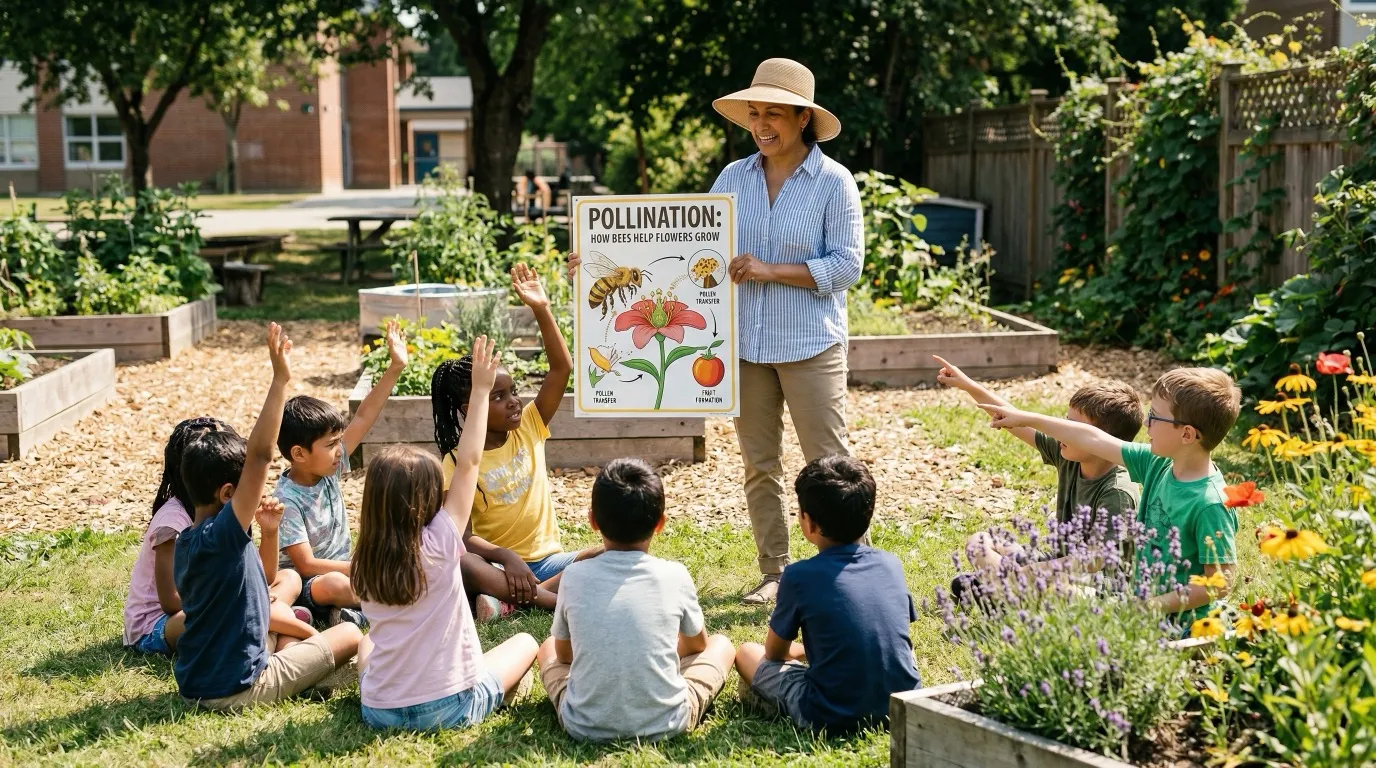
Our education programs reach thousands of students, teachers, and community members every year — from elementary school classrooms to county fairgrounds. At the core of each program is a live observation hive that lets participants watch bees working in real time, making abstract ecology immediate and personal.

We partner directly with school districts to align programming with state science standards. Teachers receive a full curriculum kit they can use year-round, and students who participate in our field trips often go on to become advocates — converting lawns to pollinator gardens, petitioning for pesticide-free parks, and bringing their families to our community workshops.

Community workshops run monthly in multiple cities and are free and open to the public. Topics rotate seasonally: spring planting guides, summer hive health, fall habitat prep, and winter bee biology. No prior knowledge required — just curiosity.

  • Live observation hive presentations for all ages
  • Teacher curriculum aligned to state science standards
  • Community workshops — free, monthly, open to all
  • Youth field trips to active restoration sites
Children gathered around a live bee observation hive in a classroom workshop
Program 03

Habitat Restoration

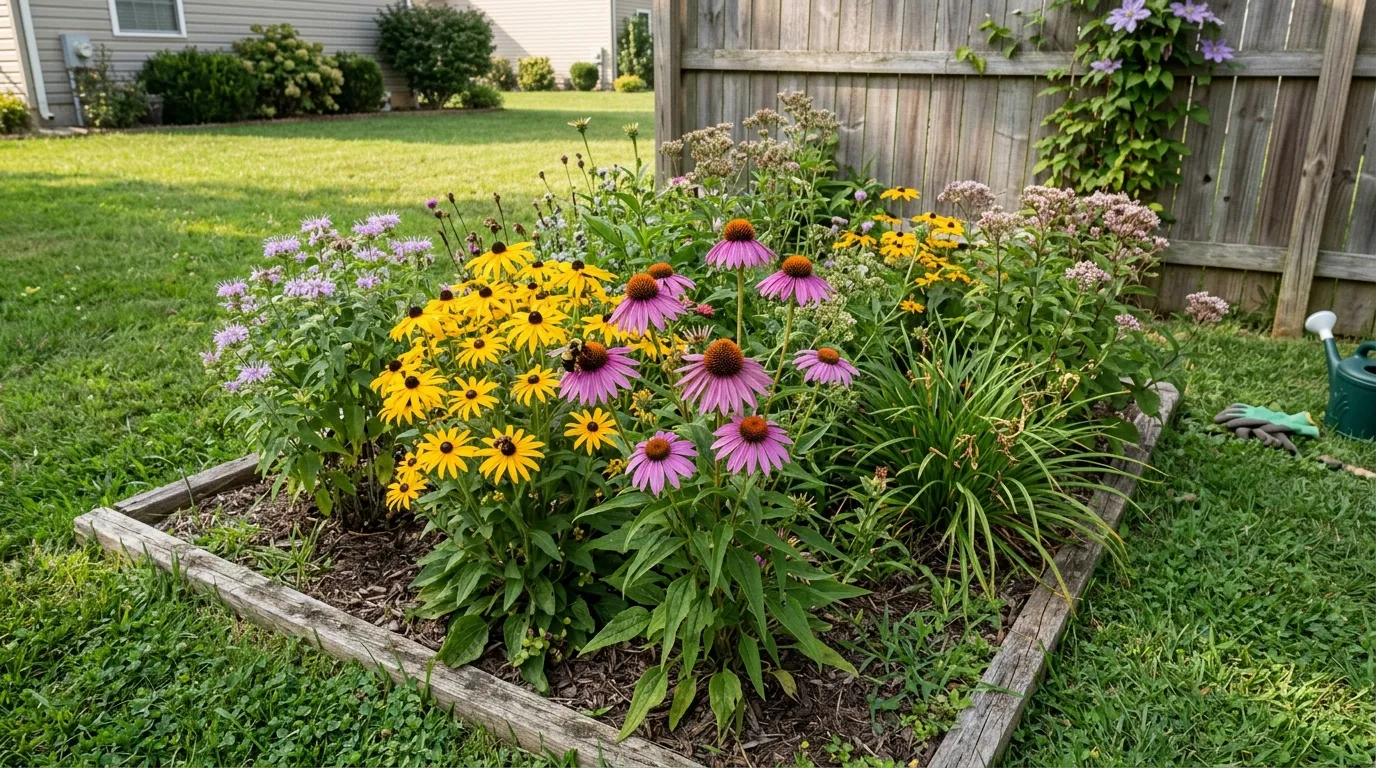
We transform underused urban and rural land into functioning pollinator corridors — native plant communities that provide continuous forage from early spring through late fall. These aren't ornamental gardens. They're working ecosystems, designed around local bee species and built to thrive with minimal ongoing maintenance.

Each project begins with a site assessment to understand existing conditions, drainage patterns, sun exposure, and adjacent land use. We select native plants proven to support the specific bee communities in your region, then lead volunteer installation days that turn neighbors into stewards. Participants learn to identify native species, spot signs of pollinator activity, and troubleshoot common planting challenges.

Our monitoring team tracks species diversity, bloom coverage, and nesting activity throughout the year — generating data that feeds into regional conservation research and helps us refine future plantings for maximum ecological impact.

  • Site assessment and regionally-specific native plant plan
  • Volunteer installation days with expert guidance
  • Stewardship training and printed planting guides
  • Year-round monitoring with species diversity tracking
Native wildflower meadow restoration site with bees foraging on blooms
Program 04

Bee Rescue & Relocation

24/7 Emergency Response Available

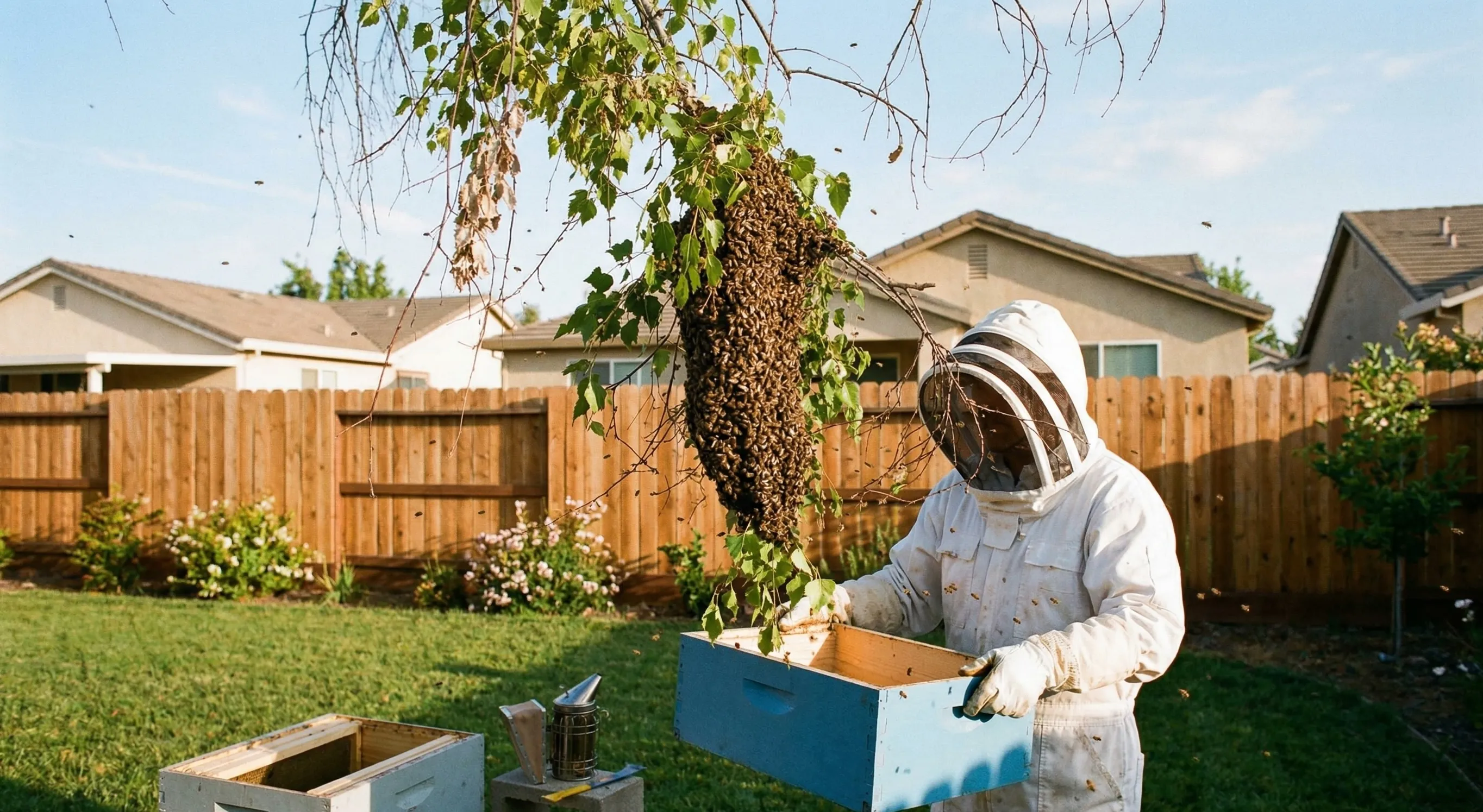
When a colony establishes itself in a wall void, attic, chimney, or tree cavity, the instinct is often to call an exterminator. We're the other option. Our rescue team responds around the clock, assessing the situation and performing safe, targeted extractions that preserve the colony intact. No poison. No destruction of the colony.

Rescued colonies are rehomed with vetted local beekeepers or placed in our own managed apiaries, where they contribute to honey production, pollination research, and educational demonstrations. Many of the bees in our observation hives started as rescue colonies — going from a stressed swarm in someone's eave to ambassadors for their species in front of thousands of students each year.

After extraction, we seal entry points, clean residual wax and honey, and provide a written prevention guide to reduce the likelihood of re-colonization. We also follow up with educational outreach to help property owners understand why bees chose their structure — and how to make the surrounding environment less attractive to future swarms.
  • 24/7 emergency response — nights, weekends, and holidays
  • Safe extraction with zero extermination
  • Colony rehoming to vetted apiaries or our managed hives
  • Post-removal sealing, cleaning, and prevention guidance
Beekeeper in protective gear carefully relocating a bee swarm from a structure
getting involved

How to Get Started

  1. Choose Your Program

    Browse our four core programs and decide where your energy or dollars will have the most impact — whether that's sponsoring a hive, scheduling a school workshop, or restoring a pollinator garden.

  2. We Plan Together

    Our team reaches out to walk through logistics, answer questions, and build a timeline that works for you. Every engagement is customized to fit your space, your community, and your goals.

  3. Watch Impact Grow

    Receive regular updates — photos, species counts, hive activity reports — showing exactly how your involvement is reversing pollinator decline in your corner of the world.

take action

Ready to get involved?

Report a bee swarm for free humane removal, or make a donation through Zeffy — a zero-fee platform where 100% of your gift funds conservation directly.

501(c)(3) nonprofit • Tax-deductible • Zero platform fees